


-

The Art of Witch by Fiona Horne
£15.99£11.99About the Book The Art of Witch moves beyond the bells, whistles, tools and potions and enters into a new wave of spiritual mastery for the modern age. Join Fiona Horne as she guides you through what it really means to be a witch and how to... -

Witch Magick Mini Cards by Fiona Horne
£9.98£7.49Messages from a Witch’s JourneyAbout the CardsWhat if you could be guided every day with a simple sentence that would empower your life’s journey with wisdom and magick? This box of cards features inspirational messages from one of the... -
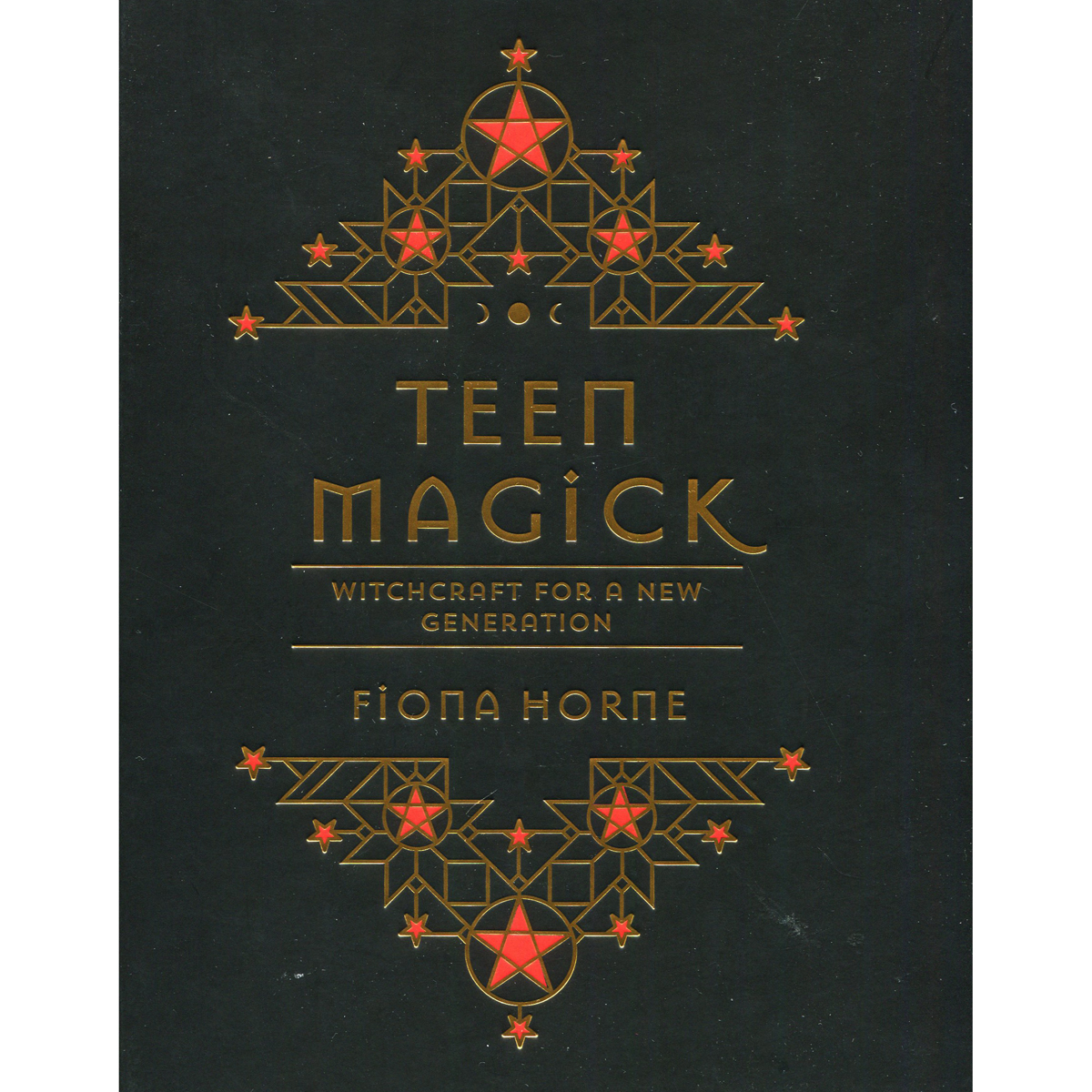
Teen Magick by Fiona Horne
£14.99£11.24Witchcraft for a New GenerationAbout the BookThis gutsy guide for the Teen Witch takes them on a journey of self-discovery - to dig deep and learn about all the magick that is inside of them, and then shine that magick into the world. At night, Teen...
Spiritual Witch & Wiccan Products
Being a witch and practicing witchcraft is a way of life, not a religion. It's based on a belief in nature and the desire to follow the Old Ways. Witches recognise the divine within themselves and have many strands of belief and tradition. They're ordinary people, not scary beings with strange, mystical powers, and have the same abilities as everyone else. However, they encourage the development of extra skills, such as spells, healing and psychic abilities, and it's these activities that are often misconstrued.
Being a witch hasn't always been an easy task. From the 13th to 18th centuries in Western Europe, witches were regarded as being people who misused supernatural powers. They were often seen as servants of the devil, with a scary and harmful way of life. Witches became persons to be fearful of and many suffered the trauma of being burnt at the stake for their beliefs and abilities. When the witchcraft hysteria was in full swing, witches got blamed for every unexpected occurrence, from crop failures, to droughts, floods, accidents and numerous natural disasters.
Witches beliefs are diverse and depend on the particular tradition they follow. However, some common principles include:
- The three fold law - that one's actions return three times over. For example, an act of kindness produces three times much as kindness.
- The idea that everyone is responsible for his or her own actions.
Just as with other beliefs, witches have their own special celebrations. There are eight major events in the year, termed sabbats (Beltane, Litha, Lammas, Mabon, Samhain, Yule, Imbolc and Ostara). Despite many misconceptions, witches don't fly broomsticks and aren't always accompanied by black cats, although many of course do choose to have furry feline friends!